Relative compression test oscilloscope UK: cranking-current triage
A relative compression test with an oscilloscope compares cylinder pumping load via starter current during cranking. It is a quick comparative triage for UK independents facing misfire or poor running where mechanical suspicion exists but spark-plug removal is costly or awkward — not a substitute for absolute PSI compression readings.
Pico Automotive guided tests define relative compression as evaluating cylinder and starter condition from cranking current. Pico training material also positions the method as a fast comparative check that still needs confirmation before any parts decision.
When it helps in a UK bay
Use it when scan data is inconclusive, one bank or cylinder feels weak under load, or you want a non-invasive first look before stripping plugs on a buried engine. It also helps when starter draw complaints and mechanical concerns arrive together.
High-level steps
- Disable fuel safely. Follow vehicle-appropriate fuel disable precautions at a high level; do not treat any single procedure as universal across all UK vehicles.
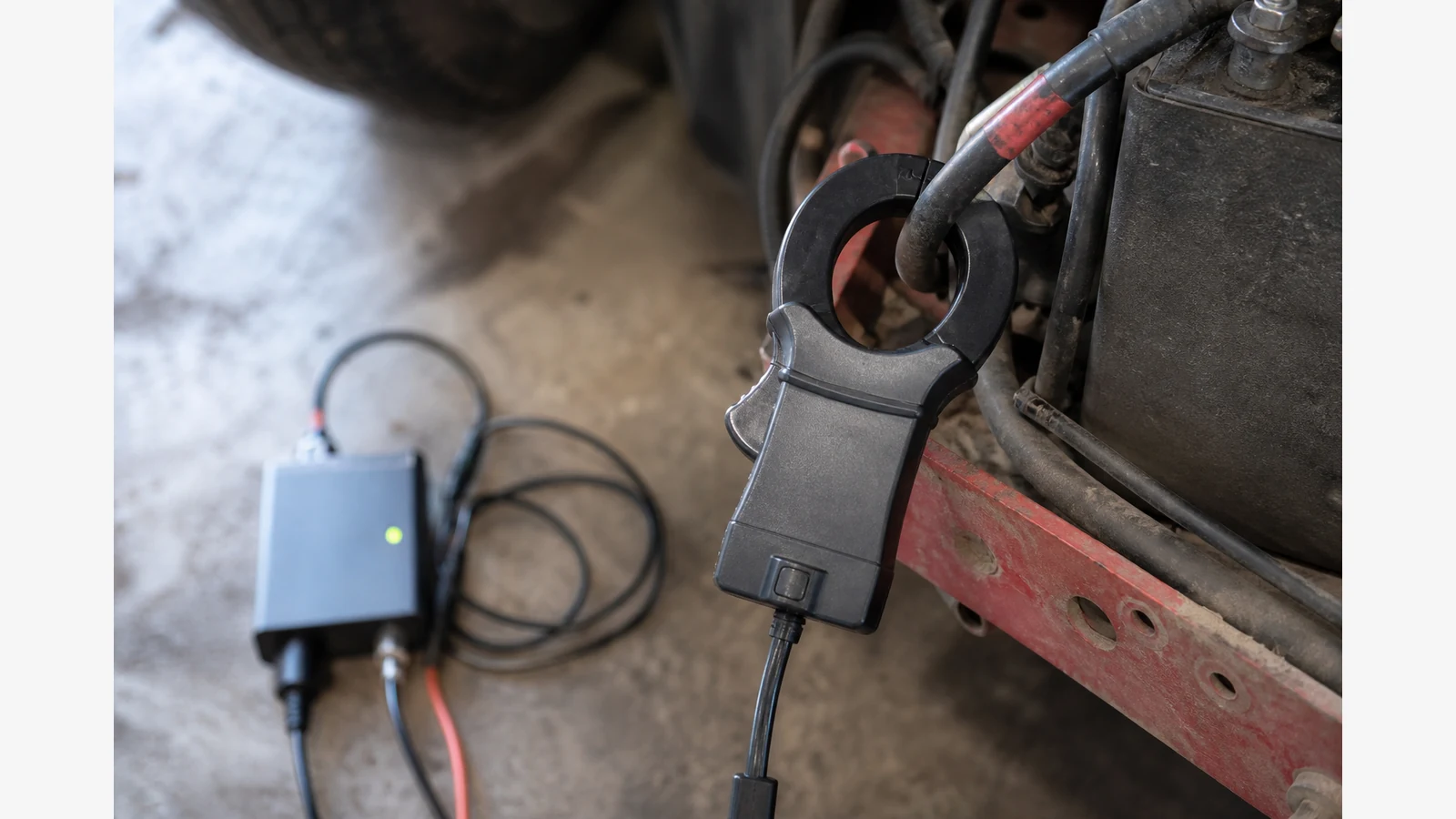
- Fit a suitable high-amp clamp. Zero the clamp per its instructions on the starter positive or negative cable as your method requires.
- Crank briefly. Capture several compression strokes without prolonged cranking that overheats the starter.
- Look for repetitive low peaks. A consistently lower current peak on one stroke pattern can indicate a relative pumping deficit versus neighbouring cylinders.
- Optionally sync with ignition. A second channel on an ignition or cam/crank reference can help map which cylinder aligns with a weak peak.
Limits you must respect
- Results are relative — never present percentages as absolute PSI compression.
- Equal wear across all cylinders can hide a global problem.
- Starter, battery, and connection faults can distort the pattern.
- Any parts decision needs a confirmation path (leak-down, absolute compression, further testing).
Who should not stop at this test
Do not condemn an engine, order a rebuild, or sell major mechanical work on relative compression alone. Treat the capture as triage that narrows the next test, not as a verdict.
Next action on accessories
Decide whether your workshop owns a suitable high-amp clamp now or defers that purchase. Relative compression is clamp-dependent; the scope brick alone is not enough. See the automotive lab scope accessories checklist, then continue with alternator ripple testing, injector waveform checks, or cam/crank correlation as the triage suggests.